That question is the work I do. Unhurried, independent guidance for families who suspect a parent — or themselves — may be carrying more medication than they need.
Dr. Elisabeth (Lisa) J.C. Bennink, MD, MA — Dutch elderly care physician and deprescribing specialist.
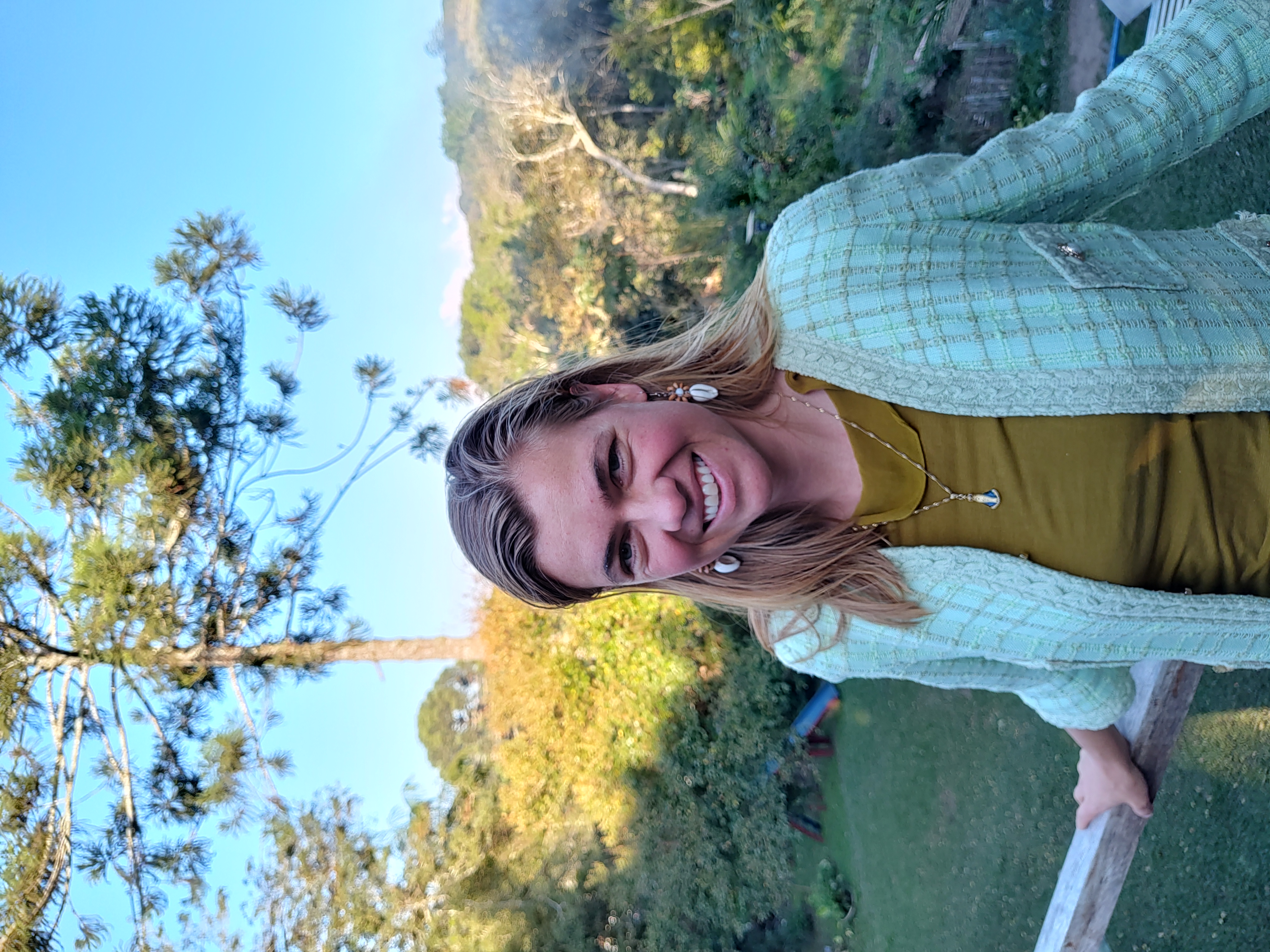
You are likely here because something is no longer sitting right.
A drug taken for years that no one has ever proposed reviewing. Side effects that feel worse than the problem they were meant to solve. A parent whose list of medications keeps growing — and a family that senses no one is looking at the whole picture.
A diagnosis given quickly that you have been turning over since. A decision you are making for someone you love, where the people around them seem to be on a different track than you are.
This is the kind of question I work with.
A 15-minute video call to understand your situation and see whether I'm the right person to help. No cost, no pressure.
You complete a short intake form in advance. We then meet for a focused 60-minute video session.
You receive a clear written summary you can keep — or bring directly to your own physician.
Dutch MD, specialist in elderly care, with a Master's in Philosophy of Medicine from Groningen (with honours). Nearly a decade in nursing homes, hospitals, and patients' homes — helping hundreds of patients safely come off long-term psychiatric, pain, cardiovascular, and sleep medication they no longer needed.
In December 2020 I stepped away from a flourishing career when I could no longer reconcile my work with the direction of public-health policy, or practise medicine while honouring the Hippocratic oath: first, do no harm.
Five years in Brazil studying plant medicine and traditional healing — a frame medical school never taught, and one that has reshaped how I think about my own profession.
I think alongside you — drawing on my clinical training, nearly a decade in elderly care, and what I have learned outside the medical system since 2020. I do not replace your physician, and I do not prescribe. What I offer is a clear second opinion, and a written summary you can take back to your own doctor.
A short video call to understand your situation and see whether this work fits — before you commit to anything.
When the question is your own — a medication you have taken for years and want to understand, a diagnosis you keep turning over, or health guidance from a doctor who will listen.
For families facing a parent on too many medications. Two sessions — one to listen, one to explain — with a written summary in between.
All consultations are online, in Dutch, English or Portuguese. I do not prescribe or establish a treating relationship — every medical decision remains yours and your physician's.
Medicine, freedom, deprescribing, plant teachers, and the questions most physicians will not ask. All essays live on my Substack; three have been published at Brownstone Institute.
In December 2020 I stepped away from a flourishing career in elderly care — including a medical directorship I had just been offered. This is why.
→ Read on SubstackA review of Laura Delano's memoir of psychiatric treatment resistance — and what deprescribing looks like from the patient's side.
→ Read on SubstackThe Netherlands opened a parliamentary inquiry into its pandemic response. What the committee found, and what it chose not to look for.
→ Read on SubstackOn the push to place psychedelics under medical authority — and why these sacred plants belong to all of humanity, not to the church of medicine.
→ Read on SubstackThe silence that fell in 2020 — unanswered messages, the disappearance of academic freedom, and the decision to keep speaking anyway.
→ Read on SubstackOn ayahuasca, the Brazilian Twitter Files, and what it means to speak freely about what you have lived.
→ Read on Substack
Dr. Elisabeth (Lisa) J.C. Bennink, MD, MA, is a Dutch physician. She trained as an elderly care specialist in the Netherlands and holds a Master's degree in Philosophy of Medicine, with honours, from the University of Groningen.
For nearly a decade she worked in nursing homes, hospitals, and patients' homes, providing consultations and geriatric assessments. She developed a particular expertise in deprescribing — safely reducing long-term medications in elderly patients — and helped hundreds of people find relief from polypharmacy. She advised the Dutch Ministry of Health, Welfare and Sport on behalf of Verenso, the association of elderly care physicians, and was commissioned by the healthcare insurer Menzis to develop care models for vulnerable elderly living at home.
In December 2020, she stepped away from the medical system. She could no longer reconcile her professional integrity with the direction of public-health policy, and could no longer practise medicine while honouring the Hippocratic oath: first, do no harm.
In April 2021 she moved with her husband to Brazil, where she has been studying plant medicine and traditional healing. She has lived close to nature, learned Portuguese, and slowly come to a different perspective on health than the one she was taught in medical school. Her writing comes out of that ongoing inquiry.
She writes at Brownstone Institute and at strelitziahealth.substack.com.
I write at Brownstone, on my Substack, and occasionally here. A note when a new piece appears — no fixed schedule, no newsletter format.
Free. Sent through Substack. Unsubscribe in one click.
What has been missing is not information — but a place where their reasoning is met, rather than dismissed.
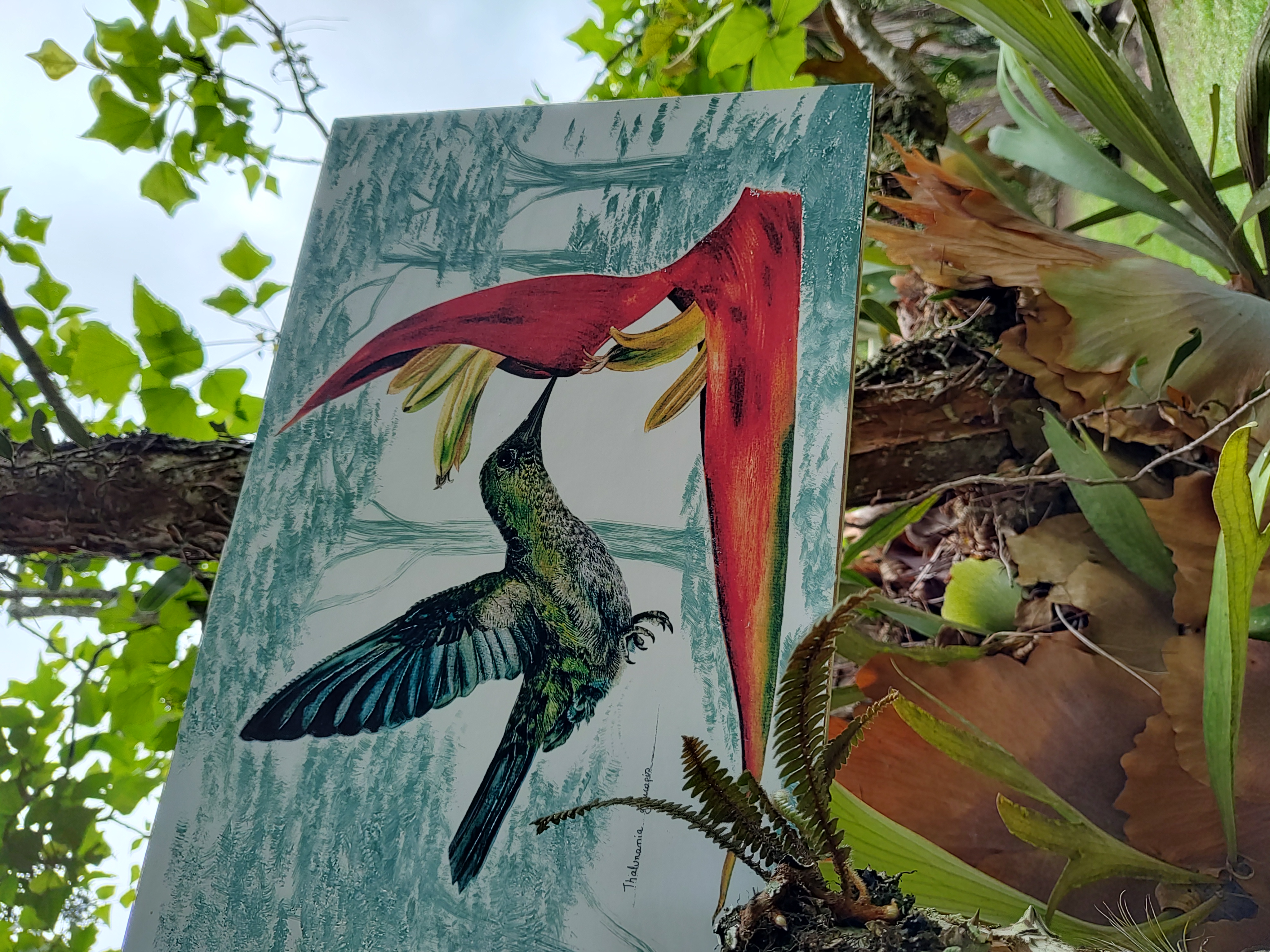 Strelitzia